
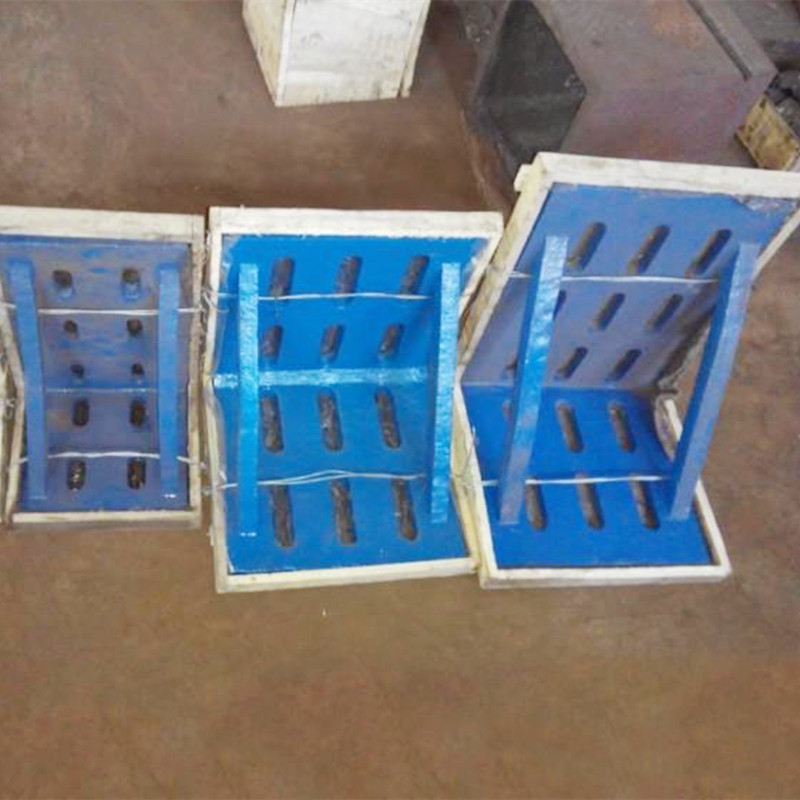
backlit and front lit mirror
Various Types of Control Valves Control valves play a crucial role in various industrial processes by regulating the flow of fluids in a system. These valves can control parameters such as pressure, temperature, and flow rate, ensuring the efficiency and safety of the operation. There are several types of control valves, each designed for specific applications and operational requirements. 1. Globe Valves Globe valves are among the most common types of control valves. They are characterized by their spherical body shape and are excellent for throttling flow. The design allows for a significant degree of control over flow rates, making them ideal for applications where precise regulation is necessary. However, they can cause pressure drops, so their use may be limited in high-flow scenarios. 2. Ball Valves Ball valves are known for their quick operation and low-pressure drop characteristics. They consist of a spherical ball with a hole through the center, allowing for straightforward flow control. While traditional ball valves provide only two positions (open and closed), control ball valves have varied port configurations to allow for flow modulation. They are typically used in applications requiring fast on/off control, such as in the oil and gas industry. 3. Butterfly Valves various types of control valves Butterfly valves feature a rotating disk that can be turned to control flow. These valves are compact and lightweight, making them advantageous in systems with limited space. They allow for quick operation and can be used in large diameter pipes. However, butterfly valves are generally less effective for throttling applications compared to globe or ball valves. 4. Gate Valves Gate valves are designed for fully open or fully closed positions, meaning they are not ideal for flow regulation. However, they are used in applications where flow needs to be interrupted completely. Their design minimizes pressure drop, making them suitable for high-flow systems. 5. Diaphragm Valves Diaphragm valves use a flexible diaphragm to regulate fluid flow. They are particularly useful in applications involving corrosive fluids or slurries, as the diaphragm can provide a sealing mechanism that prevents leakage. Diaphragm valves are known for their ability to handle varying pressure, making them ideal for pharmaceutical and food processing industries. Conclusion Choosing the right type of control valve is essential for the efficient operation of any fluid handling system. Each valve type has its unique advantages and disadvantages, and the selection should be based on the specific requirements of the application, including pressure, temperature, flow rate, and the nature of the fluid involved. Understanding these various types of control valves can help engineers and operators make informed decisions for their industrial processes.
about
backlit and front lit mirror
Understanding M10 20 Thread Gauge A Comprehensive Guide Thread gauges are essential tools in the field of mechanics and engineering, serving as crucial instruments for measuring and verifying the dimensions of threaded components. Among various types of thread gauges, the M10 20 thread gauge is particularly significant due to its widespread application in diverse industries, including automotive, aerospace, and manufacturing. In this article, we’ll delve into the specifics of the M10 20 thread gauge, its importance, and how it functions. What is an M10 20 Thread Gauge? The designation M10 20 refers to the metric thread type, where M stands for metric, 10 indicates the nominal diameter in millimeters (which means a diameter of 10mm), and 20 signifies the thread pitch, which is the distance from one thread crest to the next, measured in millimeters. In this case, the thread pitch is 2.0mm. Hence, an M10 20 thread gauge is used to measure and verify M10 x 2.0 mm threaded components. Importance of the M10 20 Thread Gauge Accuracy in thread dimensions is crucial to ensure that fasteners fit properly and can withstand the required load without failure. An M10 20 thread gauge helps in achieving this precision by allowing engineers and technicians to assess the quality of threaded parts. By using this gauge, professionals can determine whether the threads meet the specifications outlined in engineering drawings, thereby ensuring compatibility with other components. In industries where safety and reliability are paramount, such as aerospace or automotive manufacturing, the M10 20 thread gauge's role becomes even more critical. A faulty thread can lead to mechanical failures, potentially endangering lives and causing significant financial loss. How Does the M10 20 Thread Gauge Work? An M10 20 thread gauge typically comes in two forms a go gauge and a no-go gauge. The go gauge is used to check if the threaded part meets the minimum thread requirements, while the no-go gauge checks whether the thread exceeds maximum dimensions. m10 thread gauge To use the M10 20 thread gauge, follow these steps 1. Inspection Begin by visually inspecting the threaded part for any obvious defects, such as visible damage or corrosion. 2. Using the Go Gauge Insert the go gauge into the threaded hole. If it fits comfortably without excessive force, the component’s threads meet the minimum specification. 3. Using the No-Go Gauge Next, introduce the no-go gauge. The thread should resist entry. If the no-go gauge fits, the threads are likely oversized and do not meet specifications. 4. Documentation Record the results of the inspection for quality assurance purposes. This data can be especially valuable for audits and traceability. Best Practices To maintain the accuracy and longevity of your M10 20 thread gauge, it is essential to follow a few best practices - Regular Calibration Ensure that the gauge is calibrated periodically to maintain measurement accuracy. - Storage Store the gauge in a protective case to prevent damage and contamination. - Cleaning Keep the gauge clean and free from debris to avoid measurement errors. Conclusion The M10 20 thread gauge is a vital tool in ensuring the reliability and quality of threaded components in various industries. By understanding its function and importance, professionals can enhance their quality control processes, leading to safer and more reliable products. Whether you are involved in manufacturing, assembly, or maintenance, familiarity with the M10 20 thread gauge will certainly prove advantageous in your work.
-

High quality industrial productsagement

High quality industrial products
View Details -

Meet the diverse needs of customers

Meet the diverse needs of customers
View Details -

Strict quality control

Strict quality control
View Details -

Top raw materials

Top raw materials
View Details -

Trusted supplier

Trusted supplier
View Details
Our application


news and information
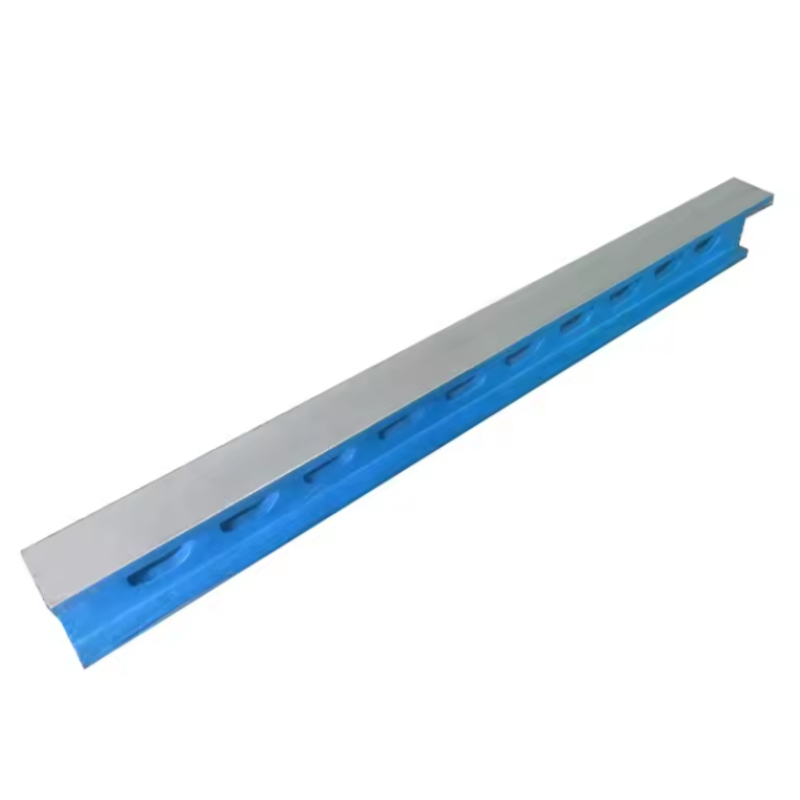
Versatile Welding Workbench for Efficient Metal Fabrication and Assembly Tasks
The Essential Guide to Welding Tables Your Ultimate Workbench Companion When it comes to metal fabri
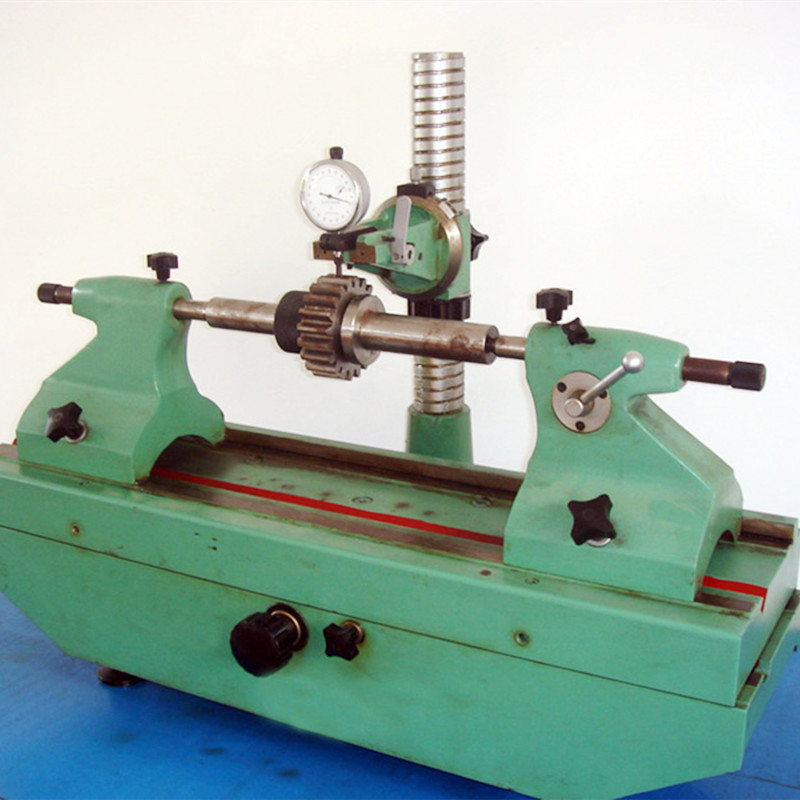
Versatile Wood Connection Brackets for Enhanced Structural Support and Easy Assembly Solutions
The Versatility of Wood Connector Brackets in DIY Projects Wood connector brackets are essential com
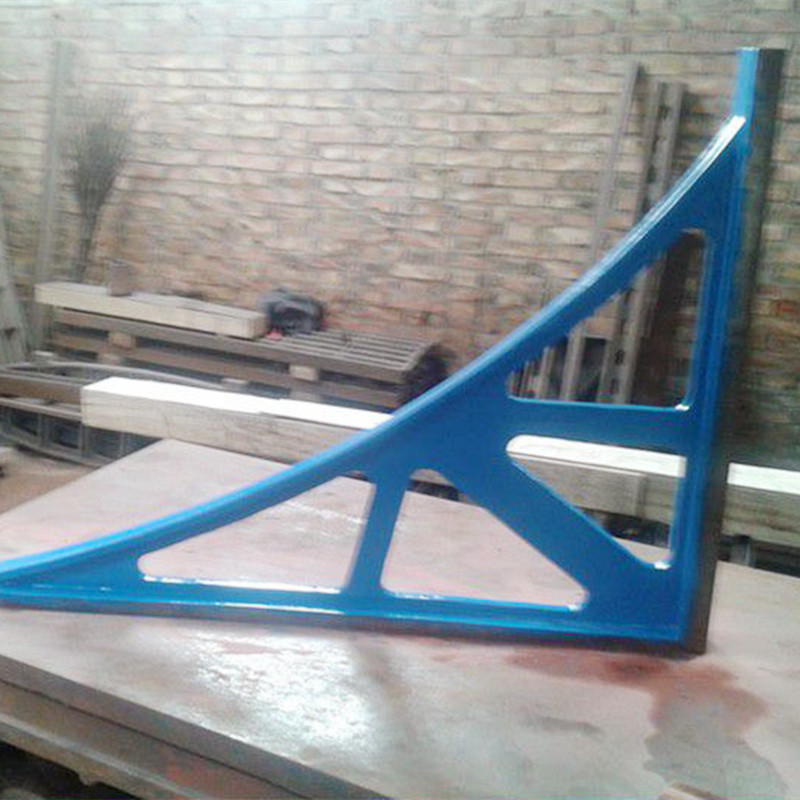
Using stamped truss nails for plate connection.
The Significance of Stamping in Truss Nail Plate Technology In the realm of construction and woodwo
 English